Red Snapper Dock Catch Orange Beach AL
Red Snapper Fishing in Orange Beach - What to Expect

Fishing Charter by Captain Charlie Williams in July
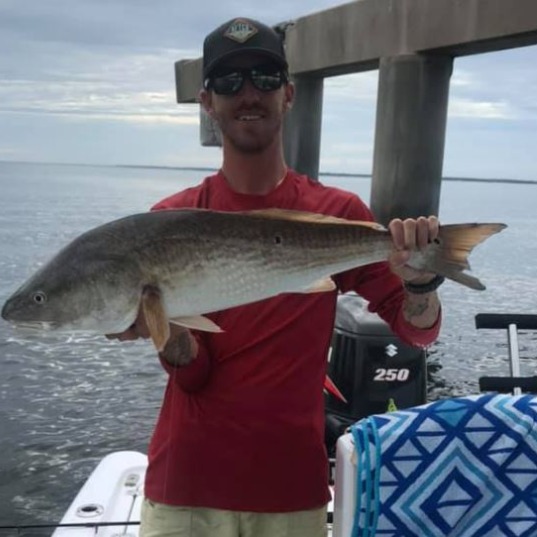
- O-fish-ally hooked


Summary
Join Captain Charlie Williams on a fishing charter in Orange Beach, AL this Thursday in July for an exciting red snapper adventure. This inshore fishing experience showcases the best of Alabama's productive waters, where these hard-fighting fish are abundant and eager to bite.
Fishing Charter with Captain Charlie Williams - Rates & Booking
Captain Charlie Williams of Southern Sun Inshore Charters welcomes you on Thursday in July for an unforgettable red snapper fishing charter. This is prime time to target these aggressive fish in Orange Beach's productive inshore waters. Whether you're a seasoned angler or just getting started, Captain Charlie tailors the experience to your skill level and goals.
For booking details, rates, and availability, reach out directly to Southern Sun Inshore Charters. They handle all the logistics so you can focus on what matters - catching fish and enjoying time on the water with friends and family.
Highlights of Your Red Snapper Charter
Red snapper season in Orange Beach is something special. These fish hit hard, fight harder, and make for incredible table fare. You'll be targeting them in depths where structure holds these fish tight, and the action can be relentless when conditions align. The satisfaction of landing a solid red snapper is matched only by the knowledge that dinner just got a whole lot more interesting.
Fishing with a local captain who knows the best spots and seasonal patterns makes all the difference. Captain Charlie reads the water, adjusts tactics on the fly, and knows exactly where these fish congregate during different times of the day.
Local Species Insights: Red Snapper
Red snapper are one of the most prized inshore species in the Gulf of Mexico, and Orange Beach waters hold plenty of them. These fish are bottom dwellers that congregate around structure - wrecks, rocks, and reef systems - where they hunt for smaller fish and crustaceans. They're aggressive feeders and respond well to live bait and cut offerings.
What makes red snapper so rewarding is their fighting ability. They don't give up easily, and they use their body mass to their advantage. You'll feel solid, consistent pressure during the fight, not the explosive runs of some species, but a determined battle that keeps you engaged from hook-set to the boat.
Red snapper have excellent eyesight and lateral line sensitivity, which means they're keyed into vibration and movement in the water. Proper jigging technique, lively bait presentation, and reading the fish's behavior are key to consistent success. Morning hours and slack tide periods often produce the best action, though these fish feed throughout the day in the right conditions.
Habitat-wise, red snapper thrive in the sandy bottoms and rocky outcroppings that dot Orange Beach's offshore zones. Water temperature, salinity, and oxygen levels all influence their activity, and an experienced captain factors all these elements into the day's strategy. The inshore environment here supports healthy snapper populations year-round, making it one of the most reliable fisheries along the Alabama coast.
Plan Your Fishing Day
A typical red snapper charter starts early to maximize your time on the water during peak feeding periods. You'll cruise to established fishing grounds where the bite is usually strong. Bring comfortable shoes with good grip, sunscreen, and patience - though with red snapper, you won't wait long for action.
Most charters accommodate small groups, making this perfect for friends, family, or a solo adventure if you want personalized attention. The captain provides guidance on technique, helps you land fish, and keeps the atmosphere relaxed and fun. All you need to bring is enthusiasm and a willingness to learn.
Fishing in Orange Beach, AL: Red Snapper
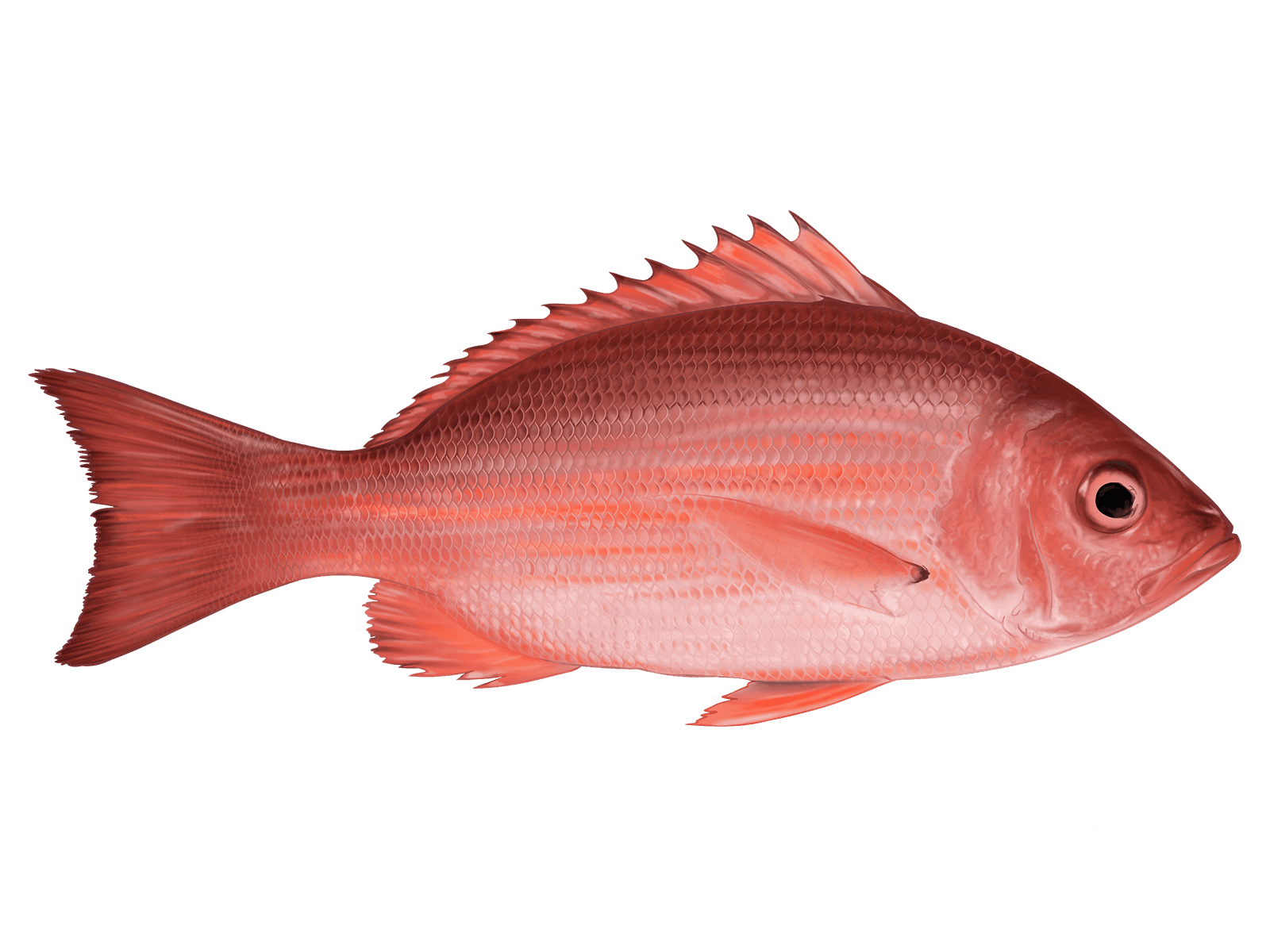
Red Snapper (Lutjanus campechanus) Overview
The Red Snapper, scientifically known as Lutjanus campechanus, belongs to the family Lutjanidae within the order Perciformes. This exceptional gamefish is one of the most sought-after species along the Atlantic coast and throughout the Gulf of Mexico, renowned for its brilliant red coloration, aggressive strike, and exceptional table quality. Red Snapper are true bottom dwellers that transform from pale pink juveniles into deep crimson adults, earning their reputation as trophy catches for both recreational anglers and commercial fisheries. Whether you're planning a fishing adventure in the Gulf of Mexico or exploring coastal waters, understanding this remarkable species will enhance your experience on the water.
Red Snapper Habitat and Distribution
Red Snapper thrive in the deep waters of the Atlantic coast and Gulf of Mexico, typically found at depths ranging from 30 to 620 feet. These fish prefer water temperatures between 50 and 70 degrees Fahrenheit, making them most active during moderate seasonal conditions. Juveniles inhabit shallower inshore areas with muddy bottoms, gradually migrating to deeper waters near structure as they mature. Adult Red Snapper are predominantly found near artificial and natural structures including reefs, wrecks, rocky outcroppings, and debris fields that provide shelter and concentrate forage fish. The Gulf of Mexico remains the primary hotspot for Red Snapper populations, with substantial populations extending down the eastern seaboard. Areas around Louisiana, Texas, and Florida's Gulf coast are particularly productive for encountering these fish.
Red Snapper Size and Weight
Red Snapper demonstrate impressive growth potential, with typical specimens caught by anglers ranging from 19 to 39 inches in length and weighing between 5 to 20 pounds on average. However, these fish can grow considerably larger under optimal conditions, with documented specimens exceeding 3 feet in length and weighing over 35 pounds. The world record Red Snapper weighed an astounding 50 pounds 4 ounces, a legendary catch landed off Louisiana waters in 1966. Most Red Snapper encountered in modern fisheries are between 4 to 6 years old, reflecting current population dynamics and regulatory management. These fish possess remarkable longevity, with lifespans exceeding 20 years, allowing mature individuals to reach exceptional sizes and weights.
Red Snapper Diet and Behavior
Red Snapper are carnivorous bottom feeders with a diverse diet consisting primarily of smaller fish and crustaceans. Their preferred prey includes cigar minnows, pinfish, pigfish, live squid, shrimp, and octopus, reflecting their opportunistic feeding strategy in deep-water environments. These aggressive hunters are most active during dawn and dusk periods, though they feed throughout daylight hours, particularly during slack tide periods when visibility and feeding conditions are optimal. Red Snapper exhibit strong territorial behavior, remaining in proximity to structure and cover where they ambush passing prey. Their reputation as fierce fighters stems from their powerful strikes and determined runs toward nearby cover—a characteristic that makes them exhilarating opponents for anglers. When hooked, Red Snapper will aggressively attempt to reach nearby structure, making rod strength and sharp hooks essential for successful encounters.
Red Snapper Spawning and Seasonal Activity
Red Snapper reach sexual maturity around 5 to 8 years of age, with larger, older females producing substantially greater numbers of eggs than their younger counterparts. A single 24-inch female can produce as many eggs as 212 seventeen-inch females, making size-selective reproduction a critical management consideration. The spawning season extends from May through October, with peak activity occurring during warmer months when water temperatures optimize reproductive success. Fertilized eggs drift to the surface and hatch within approximately one day, with larvae remaining in the planktonic water column before settling into shallow nursery habitats after about one month. As juvenile Red Snapper grow, they gradually migrate to deeper waters where they eventually establish residence near structure in the deep Gulf. This life history transition from shallow nurseries to deep offshore habitats reflects the species' adaptation to distinct environmental zones throughout their development.
Red Snapper Techniques for Observation and Capture
Bottom Fishing with Heavy Rigs: The most effective method for catching Red Snapper involves deploying heavy multi-hook rigs dressed with weights substantial enough to maintain bottom contact in deep water. Electric reels, manual reels, and handlines all prove effective when rigged properly. Bait your hooks with live pinfish, cigar minnows, fresh squid, or live shrimp, then lower your presentation to the bottom where Red Snapper congregate. The key to success lies in keeping your bait at or near bottom structure where these fish feed. Around the Gulf of Mexico's major fishing ports, charter captains utilize GPS and sonar to locate wreck structures and reef systems, deploying rigs precisely over productive bottom. Expect powerful strikes and immediate runs toward cover—maintain steady upward pressure to prevent your line from cutting on structure.
Fly Fishing for Surface-Active Fish: When Red Snapper move shallow or feed near the surface, fly fishing presents an exciting and productive alternative to traditional bottom techniques. Rig an 11 to 13-weight fly line with Clouser minnow or deceiver patterns that mimic local forage species. Some anglers employ chum slicks to concentrate Red Snapper before casting, then strip flies with erratic, natural-looking retrieve patterns. Present your fly to rising fish and work it back toward deeper water with consistent stripping action—Red Snapper will aggressively attack moving flies that resemble fleeing prey species. This technique works particularly well during early morning hours and slack tides when Red Snapper move into shallower water.
Targeting Structure and Seasonal Timing: Success with Red Snapper depends heavily on identifying productive structure and timing your fishing efforts around seasonal patterns. Focus on natural and artificial reefs, shipwrecks, rock formations, and other bottom features that hold concentrated populations. Spring and early summer, when water temperatures warm and spawning activity increases, represent prime fishing seasons. Target dawn and dusk periods when feeding intensity peaks, and plan your trips around slack tide periods when Red Snapper feed most aggressively.
Red Snapper Culinary and Nutritional Value
Red Snapper ranks among the most prized culinary fish, commanding premium prices in seafood markets and restaurants throughout the nation. The flesh features a mild, slightly nutty flavor profile with firm texture that holds up exceptionally well to various cooking methods. Whether baked, pan-fried, grilled, or steamed, Red Snapper delivers outstanding eating experiences that have made it an enduring favorite among seafood enthusiasts. To fully appreciate the delicate natural flavors, many chefs recommend minimal seasoning—simple preparations featuring salt, pepper, and fresh lemon juice allow the fish's inherent qualities to shine. Beyond culinary appeal, Red Snapper offers impressive nutritional benefits, serving as an excellent source of omega-3 fatty acids essential for cardiovascular and cognitive health. The fish is naturally low in calories, high in complete protein, and contains minimal saturated fat, making it an ideal choice for health-conscious diners. Red Snapper provides abundant B12 and vitamin D, along with important minerals including iron and potassium. Regular consumption supports heart health, enhances brain function, boosts immune response, and promotes healthy skin and hair development.
Red Snapper Frequently Asked Questions
Q: What is the best bait for catching Red Snapper?
A: Live pinfish and cigar minnows consistently outperform other bait options, particularly for larger specimens. Fresh squid, live shrimp, pigfish, and octopus also produce excellent results. The key lies in presenting fresh, lively bait on heavy rigs that reach bottom structure where Red Snapper feed. Experiment with combinations to determine what works best in your specific fishing location.
Q: Where can I find Red Snapper fishing opportunities in the Gulf of Mexico?
A: Major fishing ports throughout Louisiana, Texas, and Florida's Gulf coast provide excellent access to Red Snapper populations. Charter services in these areas operate specialized trips targeting deep-water structure. Public fishing piers in coastal communities occasionally offer opportunities during peak seasons, though private boat access typically provides superior fishing success.
Q: Is Red Snapper good to eat?
A: Absolutely—Red Snapper is exceptional table fare featuring mild, slightly nutty flavor and firm white flesh. The fish is highly nutritious, rich in omega-3 fatty acids, and works beautifully with various cooking methods. Most culinary experts recommend simple preparations that highlight natural flavors rather than heavy seasoning.
Q: When is the best time to catch Red Snapper?
A: The spawning season from May through October represents peak activity periods, with summer months typically offering the most consistent fishing. Within each day, dawn and dusk periods produce the most aggressive feeding activity. Slack tides create optimal feeding conditions regardless of season.
Q: How deep do I need to fish for Red Snapper?
A: Red Snapper inhabit depths ranging from 30 to 620 feet, though most productive fishing occurs between 60 and 300 feet. Always check current regulations and use GPS/sonar to identify structure at appropriate depths for your specific fishing area.
Q: What equipment do I need for Red Snapper fishing?
A: Heavy-duty conventional or electric reels paired with sturdy rods rated for deep-water applications work best. Bring quality multi-hook rigs with substantial weights, sharp hooks in appropriate sizes, and durable line rated for the depths and structure you'll encounter. Experienced anglers recommend having backup tackle and extra rigs to maximize fishing time.